
What Happens If You Need a Transfer During a Home Birth?
One of the most common questions families have when considering home birth is:
“What happens if I need to go to the hospital?”
It’s a valid and important question—and one we talk about openly.
The short answer is:
We plan for it, we prepare for it, and we support you every step of the way.
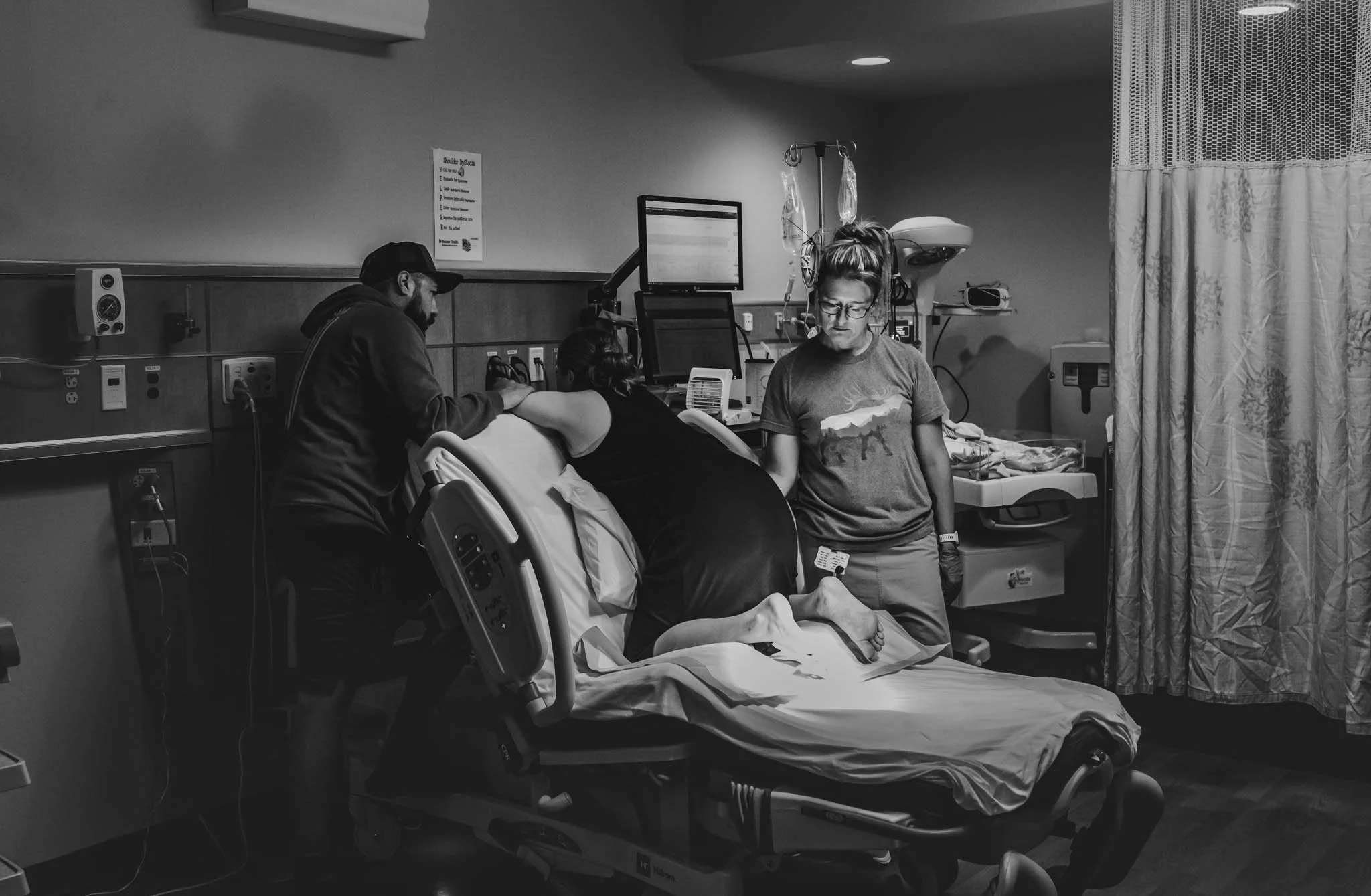
Transfer is not a failure. It is part of providing safe, responsive care.
Most transfers are:
Non-urgent
Thoughtful and collaborative
Made with time to talk through options
In many cases, families go to the hospital calmly—not in an emergency situation.
Why Might a Transfer Happen?
Every birth is different, and sometimes a change in plan is the safest option.
Common reasons for transfer include:
Labor that is longer than expected
Desire for pain management
Exhaustion
Slower progress than anticipated
Concerns about baby’s well-being
Need for additional monitoring or medical support
These decisions are always made with your safety and informed choice at the center.
What Does a Transfer Actually Look Like?
Most transfers happen before a situation becomes urgent.
Here’s what that usually looks like:
We notice a change or concern
We talk through what we’re seeing
We discuss your options together
We make a plan
Because we are continuously assessing throughout labor, transfers are typically calm, organized, and intentional.
Will My Midwife Stay With Me?
In many situations, yes. Especially if birth is imminent, we remain with you and continue to provide hands-on support.
If more time is needed and labor is still unfolding, we may step back to allow you space to rest and labor, while remaining available and attentive to your needs.
If a transfer to the hospital is needed, we support a smooth and calm transition, helping you get settled in with the hospital team.
Once care is transferred, the hospital staff assumes medical responsibility. While we no longer direct clinical care in that setting, we remain a supportive presence and help you feel as grounded and supported as possible during the transition.
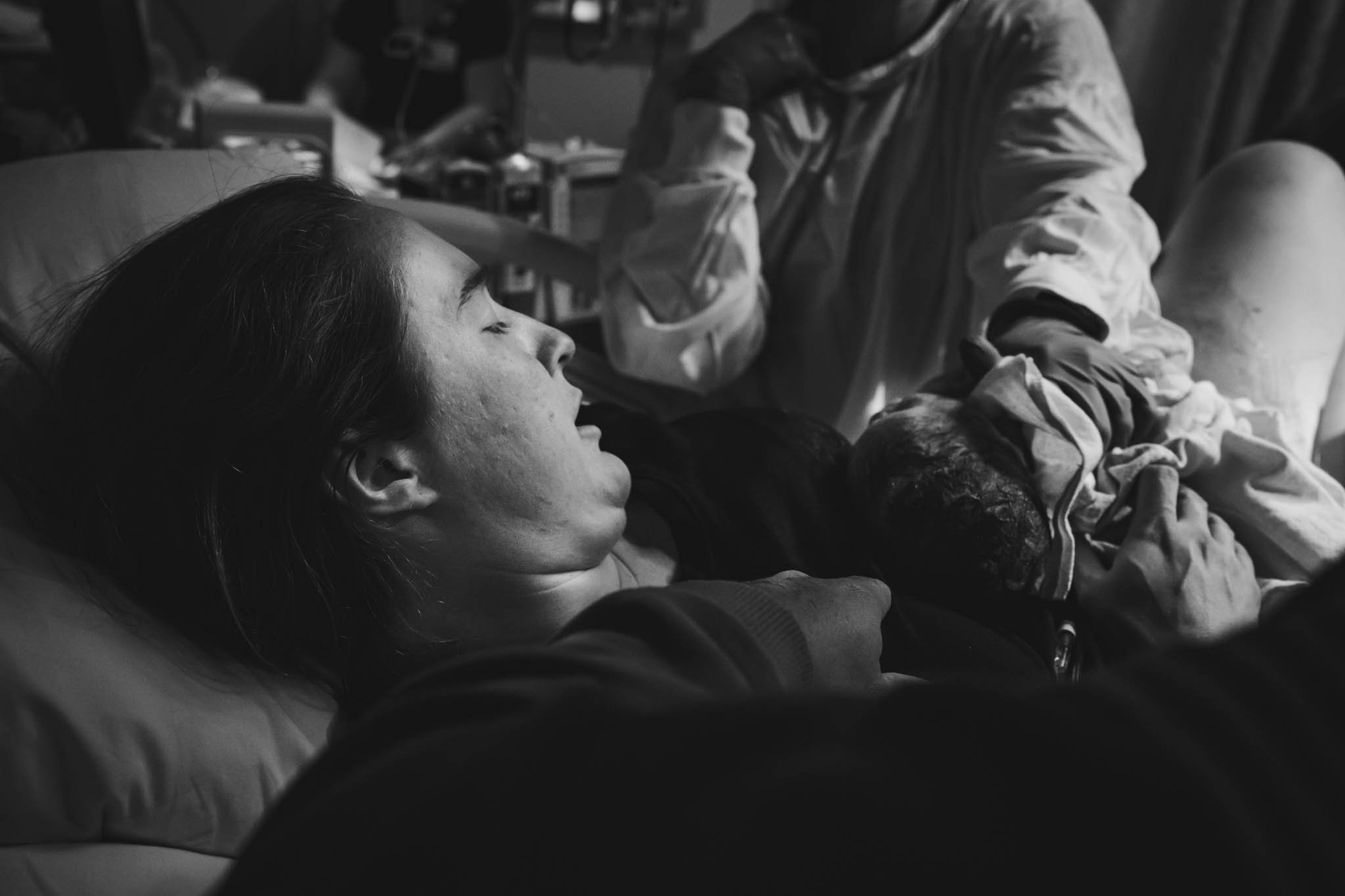
Planning Ahead Matters 🌙
We don’t wait until something changes to think about transfer.
During prenatal care, we discuss:
Your closest hospital
Travel time and logistics
When we would recommend transfer
What you can expect if it happens
This preparation helps you feel informed and grounded, rather than surprised.
The Role of a Doula During Transfer
Having a doula can be especially supportive during a transfer.
A doula’s role is to provide continuous emotional and physical support, regardless of where you give birth.
During a transfer, this can look like:
Staying focused on your comfort and coping
Helping maintain a calm environment
Supporting your partner
Providing continuity of care in a new setting
While your midwife is communicating with staff and navigating the clinical aspects of care, a doula can remain fully focused on you.
Many families find that having both a midwife and a doula creates a strong support system, especially if plans shift.
To find a doula near you, check out our resources page!
Does Transfer Mean Home Birth Isn’t Safe?
No.
For low-risk pregnancies, home birth remains a safe and evidence-supported option when:
Appropriate screening is done
Risk is reassessed throughout pregnancy
A clear plan for transfer is in place
Transfer is part of what supports safety. It allows us to move to a higher level of care when needed.
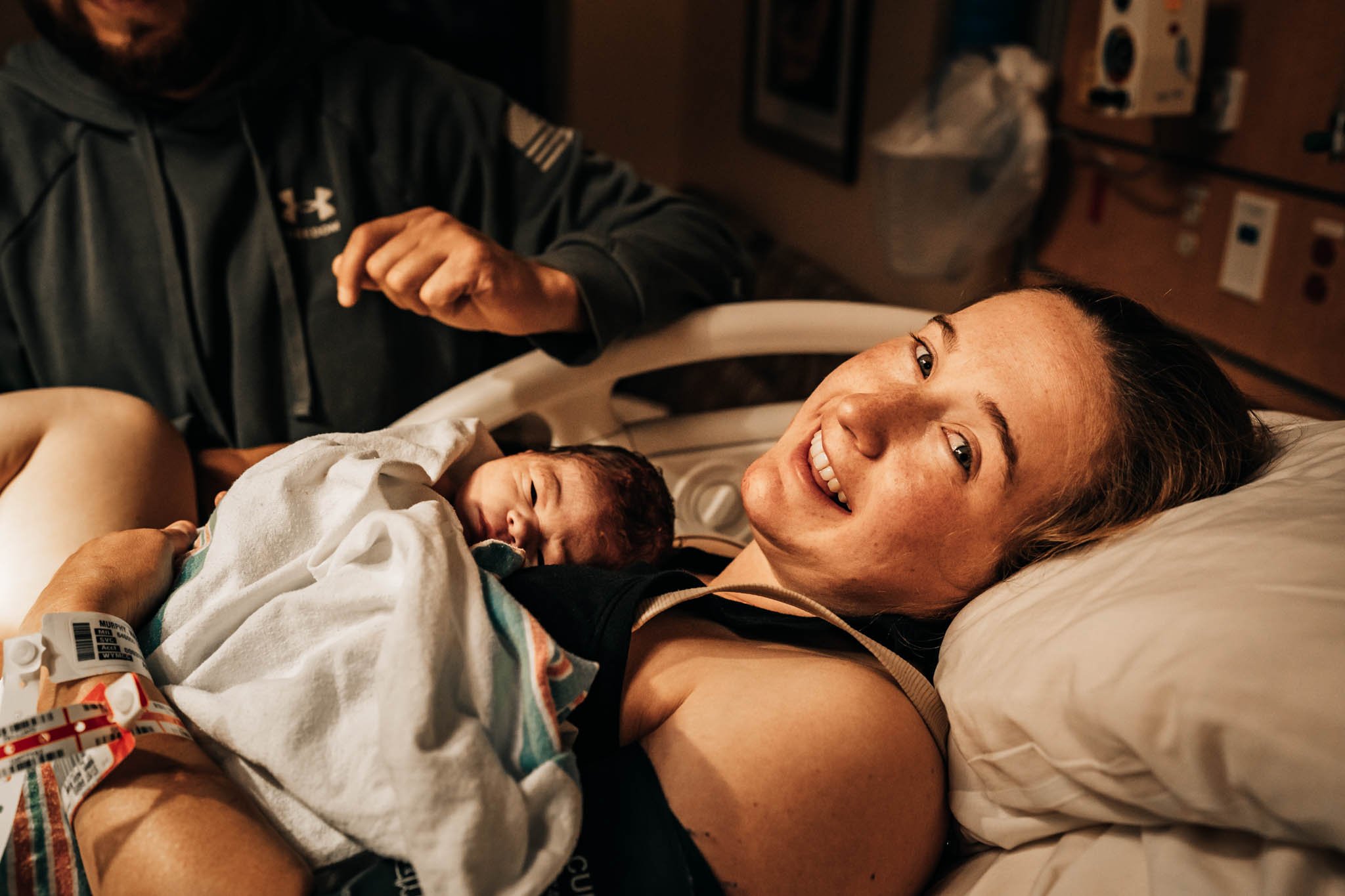
Choosing home birth doesn’t mean choosing “no medical care.”
It means choosing:
The right level of care at the right time
A provider who knows when to stay home
And when to transition to additional support
Want to Learn More?🌙
If you're still exploring whether home birth is right for you, we’re here to support you in that decision.
Check out our FAQ page where you’ll find answers to common questions about home birth, safety, and what to expect.
