FAQ
-
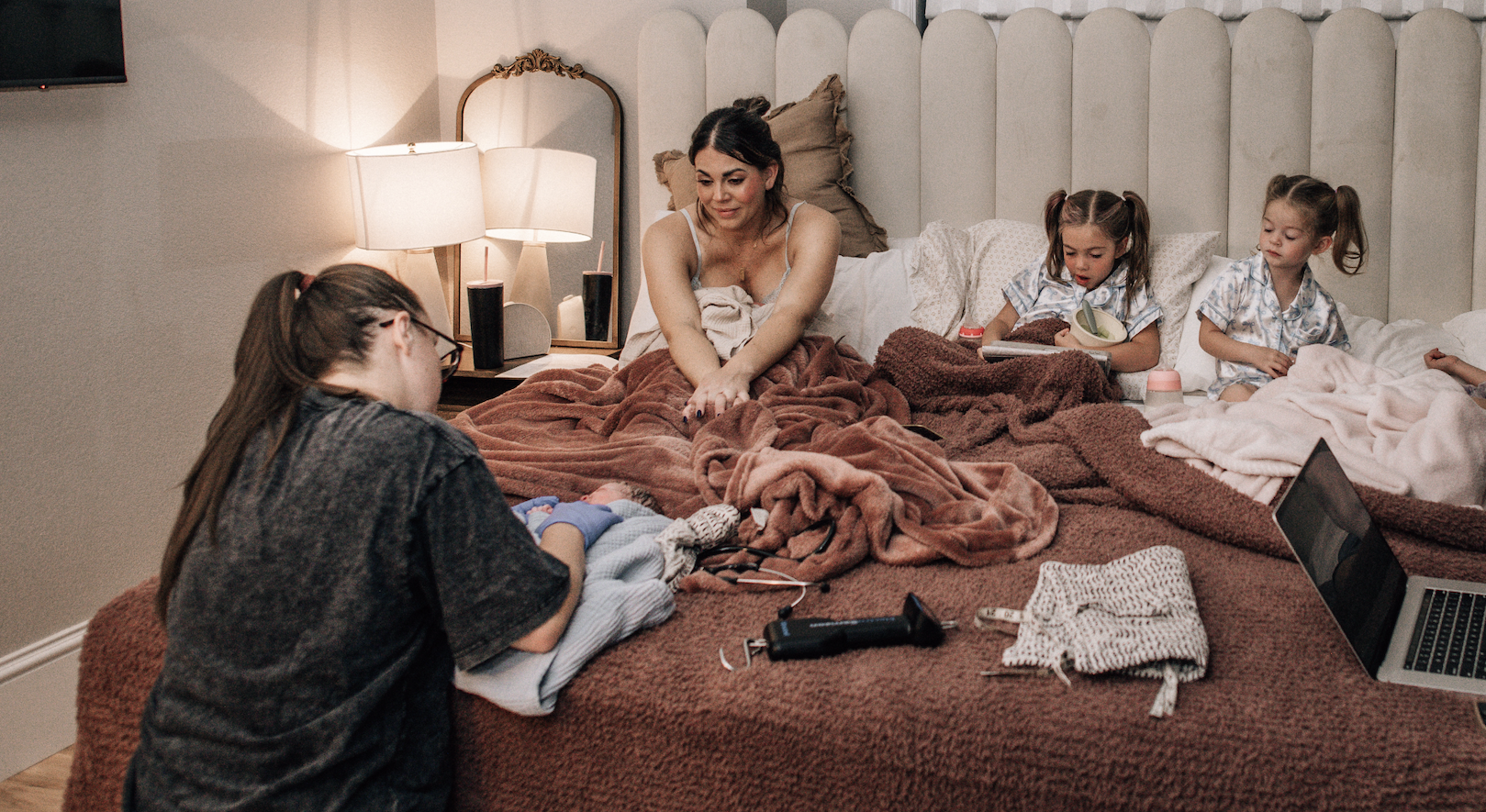
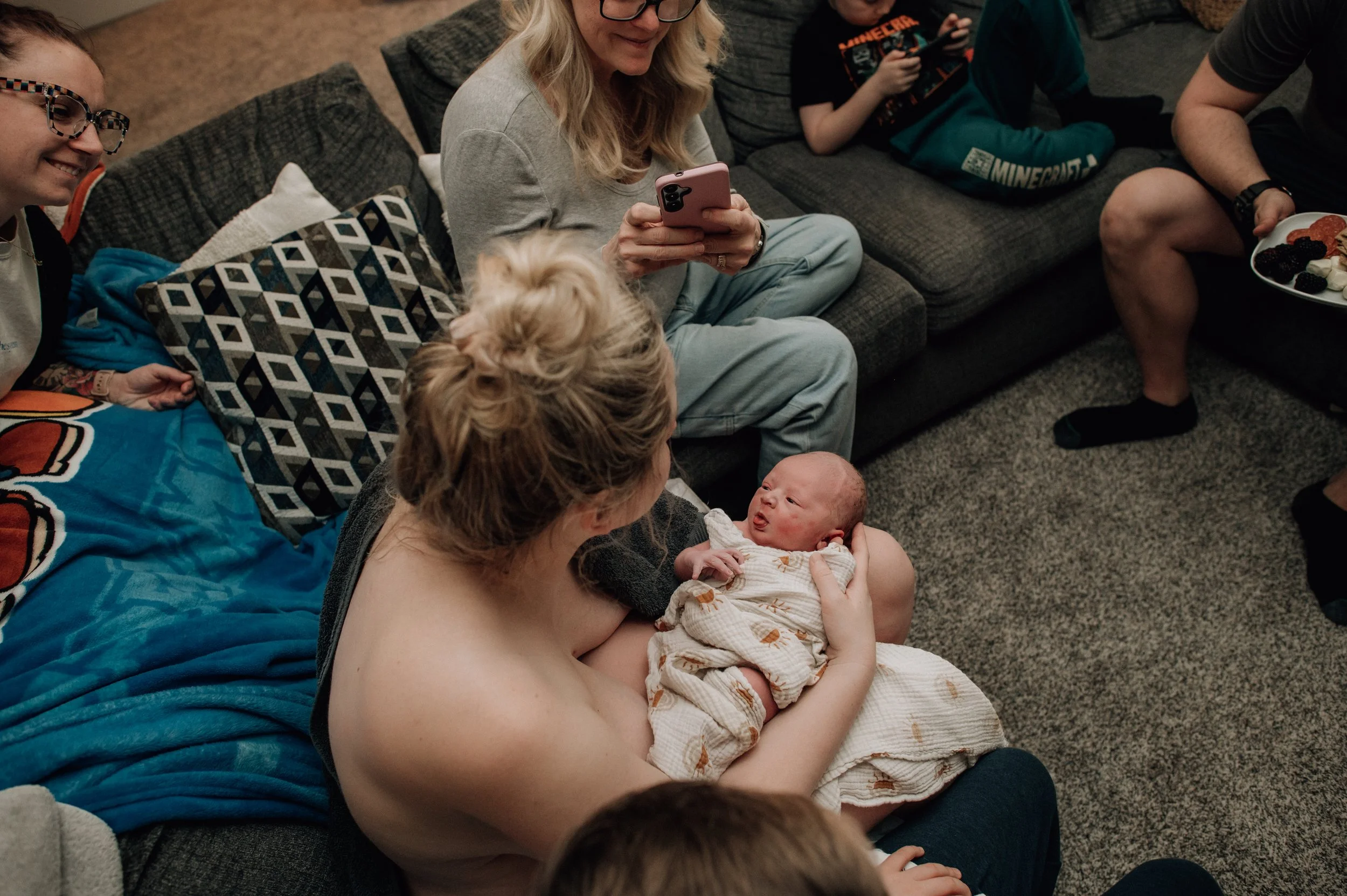
Home birth offers a safe, peaceful, and empowering environment for families who want to welcome their baby in the comfort and familiarity of their own space. Many families choose home birth to experience more autonomy, fewer interventions, and uninterrupted bonding in those first sacred hours postpartum. Home birth also allows for deeply individualized, family-centered care; your values, rhythms, and preferences are honored every step of the way.
-
Yes. Midwives are trained and licensed healthcare providers who offer comprehensive prenatal, birth, postpartum, and newborn care. Their education focuses on both normal physiology and recognizing complications so they can provide skilled, evidence-based care and know when additional medical support may be needed.
-
There is no difference in the quality of care you receive. The primary difference is location: with home birth, you stay in your own home while we bring all supplies and equipment to create a safe, supported birthing environment.
-
Midwives are licensed healthcare professionals who provide clinical care throughout pregnancy, birth, postpartum, and newborn care. Doulas offer emotional and physical support but do not provide medical care. Both roles are incredibly valuable and work beautifully together.
-
Moonlit Midwifery joyfully supports and advocates for waterbirth for families who wish to welcome their baby in the calm, gentle environment of warm water.
Waterbirth can ease discomfort, promote relaxation, and encourage a smoother, more physiologic labor and birth experience. I provide guidance on safe setup, pool use, and preparation to ensure your birth space is both nurturing and secure.
I am also completing the Waterbirth International Provider Certification through Barbara Harper, an advanced training that deepens my understanding of evidence-based safety, newborn transition, and the sacred physiology of birth in water.
Each birth is unique, and together we’ll discuss whether waterbirth aligns with your preferences and health considerations to ensure the safest, most supported experience possible.
-
The Waterbirth International Provider Certification that I have completed is an advanced training created by Barbara Harper, founder of Waterbirth International and a world-renowned educator on gentle, physiologic birth. This certification deepened my understanding of the safety, physiology, and spiritual significance of birth in water from prenatal preparation and pool setup to the newborn’s transition and postpartum care.
As a certified provider, I have learned evidence-based guidelines and hands-on techniques that support calm, undisturbed waterbirth experiences, helping families welcome their babies safely and peacefully into their own hands.
This certification reflects my ongoing commitment to evidence-based, family-centered care and aligns beautifully with the heart of Moonlit Midwifery’s philosophy: trusting the wisdom of birth and the innate intelligence of both mother and baby.
-
CPMs undergo rigorous academic and clinical training, including years of hands-on experience in prenatal, birth, postpartum, and newborn care. They must pass a national certification exam and meet the requirements of the North American Registry of Midwives (NARM).
-
Absolutely. We offer free consultations so you can ask questions, get to know me, and see if we’re the right fit. Choosing a midwife is deeply personal. We want you to feel safe, heard, and supported from the very beginning.
-
Moonlit Midwifery & Wellness is a self-pay practice and is out-of-network with all insurance companies.
Some insurance plans may offer partial reimbursement for midwifery care, but this varies widely and is not guaranteed. Reimbursement, if available, often occurs postpartum and may take several months.
Clients are responsible for the full midwifery fee, which must be paid in full by 36 weeks of pregnancy, regardless of insurance coverage or reimbursement.
We can provide an itemized superbill for you to submit to your insurance company. Some clients also choose to work with a third-party billing service to better understand their out-of-network benefits and assist with the reimbursement process.
Certain healthshare plans (such as Christian Healthcare Ministries or Samaritan Ministries) may offer reimbursement for midwifery care, depending on the specifics of the plan.
-
Fill out the contact form on our Contact page, and we’ll email you an additional inquiry form to get to know you better and schedule a consultation.
-
This is common, and we welcome your partner’s questions and concerns. During your consultation, we’ll talk through the safety of home birth, our emergency protocols, and what to expect. Partners are often reassured once they understand how prepared and trained we are. We’re here to support the whole family.
-
We accept cash, check, Venmo, CashApp, Zelle, and credit cards (with a 3% fee).
-
Yes! We encourage families who feel called to catch their own baby and will support you in that powerful moment.
-
Children are welcome at prenatal visits. For birth, we do require a designated caretaker for your children- someone other than your partner- so your partner can stay fully present with you.
-
Midwives are trained to manage many common emergencies including hemorrhage, shoulder dystocia, neonatal resuscitation, and more. We bring emergency medications, oxygen, and resuscitation equipment to every birth. If additional care is needed, we coordinate a smooth transfer to the nearest hospital and support you through the transition. Once you are settled back at home, we resume postpartum care.
-
Yes. A $1,000 non-refundable deposit is due at your initial prenatal visit to reserve your care. This deposit will be applied to the total midwifery fee.
-
Yes.
In Wyoming, planned Vaginal Birth After Cesarean (VBAC) in the home setting may be considered if:
There has been at least 18 months between deliveries, and
You have had no more than one prior cesarean birth, without a history of a prior vaginal delivery.
No history of a vertical (classical) uterine incision, and
No other medical or obstetric contraindications are present.
VBAC eligibility is assessed individually and depends on complete medical history, operative reports, and clinical considerations.
-
Yes. The state of Wyoming recommends that at least two people trained in CPR and Neonatal Resuscitation Program (NRP) be present at every birth. At least one or two assistants will be present to assist me at your birth.
-
Yes. After your birth, we will provide a birth certificate worksheet for you to complete. After the worksheet is completed, we file it with the State. Your baby’s birth certificate and social security number will be registered, typically within 2 weeks. You can request your official copy through your county registrar’s office.
-
Absolutely. Postpartum care is a core part of midwifery. We provide multiple home visits in the first weeks after birth to check on both you and your baby, monitor recovery and feeding, and offer emotional support. You’ll also have access to us for questions or concerns between visits.
We also offer extended postpartum care! at 6 & 12 months.
-
Postpartum recovery and adjustment continue long after the early weeks. Physical healing, hormonal shifts, emotional processing, feeding transitions, sleep changes, and identity shifts often unfold over many months- not on a six-week timeline.
Extending postpartum care to 12 months allows support to meet families where they actually are, rather than ending care before many of these transitions begin. Check-ins at later points in the first year create space to address concerns that may not surface right away and to support ongoing well-being in a meaningful, relationship-centered way.
This approach recognizes postpartum as a season, not a deadline.
-
Yes. Moonlit Midwifery warmly welcomes first-time parents.
Your first birth is a powerful and transformative experience, and you deserve steady, informed, and compassionate support throughout labor and delivery. I provide continuous, relationship-centered care offering guidance, reassurance, hands-on comfort measures, and clinical assessment to support both safety and confidence during birth.
Whether you are feeling excited, nervous, or unsure of what to expect, you will not walk this journey alone.
-
Choosing a midwife is about more than credentials. It’s about relationship, philosophy, and feeling safe in your care.
When selecting a midwifery practice, consider:
The midwife’s training, experience, and emergency preparedness
Whether their birth philosophy aligns with your values
What their prenatal and postpartum care schedules and length look like
How they handle risk factors, consultation, and transfer
What level of postpartum support is included
Whether you feel heard, respected, and comfortable asking questions
Prenatal care should feel unhurried, collaborative, and rooted in informed decision-making. The right midwife is someone you trust. Someone who listens carefully, communicates clearly, and supports you with both clinical skill and compassionate presence.
-
For healthy, low-risk families, planned home birth with a trained midwife can offer a deeply personalized and relationship-centered experience.
Some families choose home birth for:
Continuity of care with a provider they know and trust
A familiar, private environment that supports relaxation
Lower rates of routine interventions for low-risk pregnancies
Freedom of movement, eating, and positioning during labor
Greater autonomy in decision-making
Immediate skin-to-skin and uninterrupted bonding
Individualized, in-home postpartum care
Research shows that for appropriately screened, low-risk pregnancies attended by qualified midwives, planned home birth can be a safe option with comparable outcomes and fewer interventions.
That said, home birth is not the right choice for everyone. A thorough risk assessment, informed consent, and a clear plan for consultation or transfer are essential parts of safe community birth.
The most important factor is choosing the setting where you feel informed, supported, and confident.
If you do not desire home birth but would like midwifery care postpartum, please reach out for our Fourth Trimester Care package
-
Yes. Families in Wyoming have the right to choose where they give birth, including at home. Licensed midwives provide prenatal, birth, and postpartum care for low-risk pregnancies while carefully monitoring the health of both parent and baby throughout pregnancy and labor. Midwives are also trained to recognize when consultation or transfer to hospital care is needed to maintain safety.
-
For healthy, low-risk pregnancies with a qualified midwife, planned home birth can be a safe option. Midwives provide careful screening during pregnancy and ongoing assessment throughout labor.
If concerns arise, Wyoming midwives coordinate transfer to a hospital when appropriate. Safety in home birth begins with thorough prenatal care, appropriate risk assessment, and skilled support during labor and birth.
-
Prenatal visits with a midwife are typically longer and more personalized than many traditional appointments. Visits include monitoring maternal and fetal health, checking vital signs, measuring growth, listening to the baby’s heartbeat, and discussing nutrition, emotional wellbeing, and preparation for labor and postpartum recovery. Midwifery care focuses on building a relationship with families and providing education and support throughout pregnancy.
-
Home birth midwifery care in Wyoming typically ranges between $6,000 and $8,000 for comprehensive care throughout pregnancy, birth, and the postpartum period.
This global fee generally includes prenatal visits, labor and birth support, newborn care, and postpartum visits. Costs may vary depending on the services included and the region served.
-
Midwives are trained to recognize when additional medical care may be needed. If a situation arises that requires hospital care, your midwife will recommend transfer and coordinate care with local providers. Most transfers are non-emergent and occur for reasons such as labor not progressing as expected or the desire for additional pain relief. The goal is always the safety and wellbeing of both parent and baby.
-
Many families reach out early in pregnancy, often during the first trimester. We take a very limited number of clients each month in order to provide attentive care and be available for births, so contacting us early can help ensure availability.
-
Moonlit Midwifery provides home birth midwifery care for families in Cheyenne, Wyoming, Laramie, Wyoming, and surrounding communities throughout Southeast Wyoming and Northern Colorado, including Wellington, Fort Collins, loveland, and nearby areas.