
Rebozo in Pregnancy & Birth: A Simple Tool for Comfort, Connection, and Movement
If you've received a rebozo from me, consider it more than just a beautiful piece of fabric.
A rebozo is a traditional Mexican shawl that has been used for generations to support women during pregnancy, birth, postpartum recovery, and beyond. While its roots are deeply cultural, many families today find that a rebozo becomes one of the most versatile and beloved tools they use throughout pregnancy and labor.
The beauty of the rebozo is its simplicity. No batteries. No special equipment. Just gentle movement, support, and connection.
Honoring the Tradition of the Rebozo
The rebozo is a traditional woven shawl originating in Mexico and has been used for generations by Indigenous and Mexican women, families, traditional midwives (parteras), and healers. Beyond its practical uses, the rebozo carries deep cultural significance and has long been woven into pregnancy, birth, postpartum recovery, caregiving, and daily life. As birth workers, we recognize that the techniques shared today are rooted in generations of traditional knowledge and wisdom. We honor the communities, midwives, and families who have preserved these practices and continue to share them around the world.
Moonlit Midwifery is committed to approaching rebozo work with cultural humility, respect, and gratitude. We encourage families and birth workers to learn about the history of the rebozo and the traditions from which these practices originate.
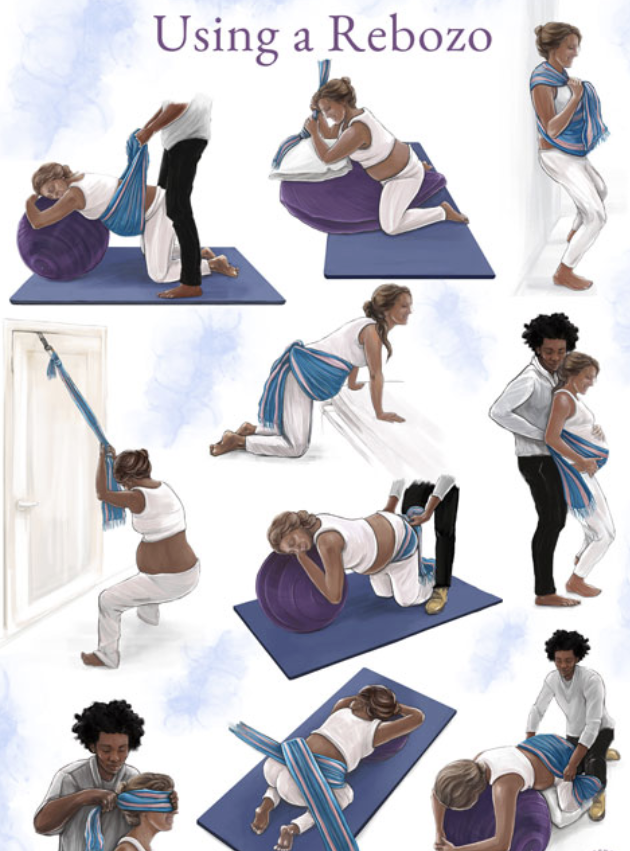
What Can a Rebozo Be Used For?
During Pregnancy
As your body changes, the rebozo can help ease common discomforts by encouraging relaxation and movement.
Many families use a rebozo for:
Lower back discomfort
Pelvic pressure
Round ligament pain
Hip tightness
General relaxation
Encouraging optimal fetal positioning
One of the most popular techniques is belly sifting, where the abdomen is gently rocked from side to side while the mother is on hands and knees. Many women describe this as deeply relaxing and soothing.
Rebozo Techniques You Can Practice at Home
1. Belly Sifting
This is often the first technique I teach.
How to do it:
Get on hands and knees on a comfortable surface.
Have your partner place the rebozo underneath your belly.
Gently lift the fabric so it supports the weight of the abdomen.
Create a soft side-to-side rocking motion.
Continue for 1–5 minutes.
Benefits may include:
Relaxation of abdominal muscles
Relief from pelvic pressure
Comfort for round ligament discomfort
Encouragement of fetal movement and positioning
2. Hip Squeeze
Many laboring women say this is one of the most effective comfort measures available.
The rebozo is wrapped around the hips while a support person provides gentle inward pressure.
Benefits may include:
Temporary relief of back labor
Pelvic support
Increased comfort during contractions
A feeling of stability and grounding
3. Lift and Tuck
As your baby grows, the weight of your abdomen can place additional strain on your back, hips, pelvis, and round ligaments. The Lift and Tuck technique uses the rebozo to gently support the belly, often providing immediate relief and a feeling of lightness.
How to do it:
Stand comfortably with your feet hip-width apart.
Place the center of the rebozo underneath your belly.
Bring both ends of the rebozo around your waist.
Gently lift your belly upward until you feel supported.
Cross the ends behind your back and either tie them securely or have your partner hold them in place.
You can walk, stretch, sway, or simply rest while using this support.
Benefits may include:
Relief from pelvic pressure
Reduced strain on the lower back
Comfort for round ligament discomfort
Improved comfort while walking or standing
A sense of support and lightness in late pregnancy
4. Supported Learning
As pregnancy progresses, standing for long periods can become uncomfortable.
A rebozo can be anchored by a partner or secured to a sturdy support, allowing you to:
Lean forward comfortably
Open the pelvis
Rest during labor
Reduce pressure on the lower back
5. Belly Wrap for Comfort & Positioning
A belly wrap uses the rebozo to provide gentle support to the abdomen while encouraging comfort, balance, and freedom of movement during pregnancy.
While no technique can guarantee a baby will change positions, some mothers find that a belly wrap helps relieve discomfort and creates a greater sense of support as their baby grows.
How to do it:
Place the center of the rebozo underneath your belly.
Bring both ends around your waist and cross them behind your back.
Bring the ends forward again and tie securely beneath or beside your belly.
Adjust the tension until your abdomen feels comfortably supported.
The wrap should feel supportive—not restrictive.
Benefits may include:
Relief from pelvic pressure
Improved comfort while walking or standing
Reduced strain on the lower back
Support for tired abdominal muscles
Encouragement of balance and optimal fetal positioning
Increased awareness of posture and body mechanics
Many mothers find this technique particularly helpful during the third trimester when the additional weight of pregnancy can place strain on the back, hips, and pelvis.
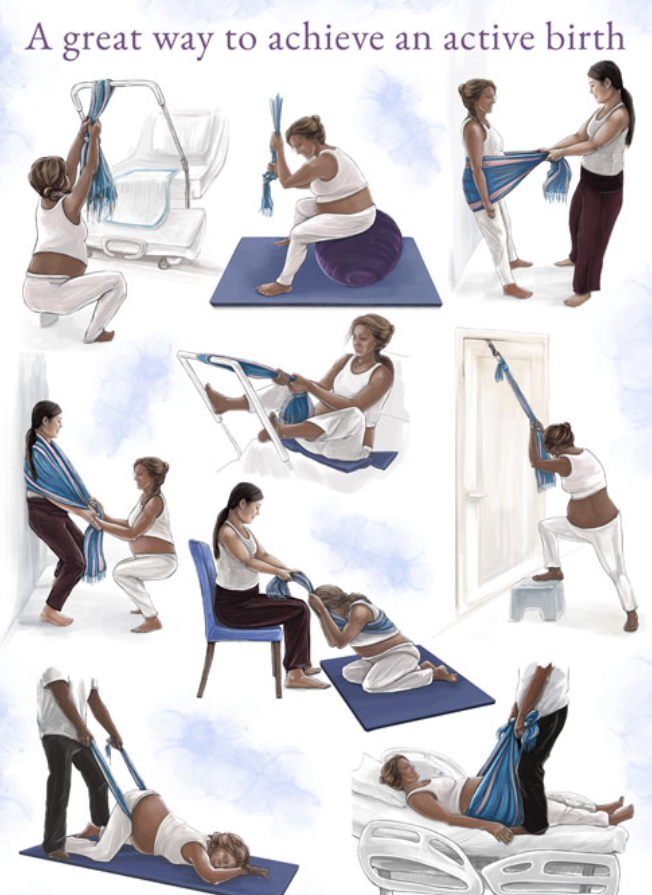
Rebozo During Labor
The rebozo can be used throughout labor in many different ways.
Common labor applications include:
Supporting upright positions
Encouraging movement
Helping release tension
Promoting comfort during contractions
Creating rhythmic movement that many women find calming
Some mothers enjoy slow, gentle movements. Others prefer stronger counterpressure. There is no "right" way… only what feels supportive to you.
Your Rebozo as a Baby Wrap
Long after pregnancy and birth, your rebozo can continue to serve your family as a traditional baby wrap. For generations, mothers have used rebozos to carry their babies close to their bodies while tending to daily life. The same fabric that supported you through pregnancy and labor can become a way to nurture connection, comfort, and closeness during the postpartum months.
Many parents find that using a rebozo as a baby wrap helps:
Keep baby calm and content
Encourage bonding and attachment
Support breastfeeding and responsive parenting
Allow hands-free movement around the home
Comfort babies who prefer to be held often
Make caring for older siblings easier
There is something deeply beautiful about continuing to use the same rebozo that held your belly during pregnancy and supported you in labor to now carry your baby close to your heart.
Because wrapping techniques require practice, I encourage families to learn proper babywearing safety before using their rebozo as a carrier. A well-positioned baby should always have a clear airway, supported spine, and be close enough to kiss.
For many families, the rebozo becomes more than a birth tool…it becomes part of their parenting journey.
Can a Rebozo Turn a Baby?
This is one of the most common questions I receive.
A rebozo is not a magic trick, and no technique can guarantee fetal repositioning. However, rebozo techniques may help create more balance, relaxation, and space within the pelvis. When tension patterns are released, babies sometimes have greater freedom to rotate into a more favorable position on their own. Rather than "forcing" a baby into position, we focus on helping the mother's body find balance.
Rebozo Safety Tips
A few simple guidelines:
Movements should feel gentle and comfortable.
Stop if anything causes pain.
Avoid vigorous shaking.
Use caution if you experience dizziness.
Always listen to your body.
If you have questions about a specific technique, reach out before trying it.
The goal is relaxation, not force.

Beyond the Physical
One of my favorite things about the rebozo is that it invites participation from partners and support people.
Birth partners sometimes wonder how they can help during pregnancy or labor. The rebozo gives them a practical, meaningful way to provide comfort and connection.
Many families find that these quiet moments of support become some of their favorite memories of pregnancy.
Your Rebozo Beyond Birth
The usefulness of a rebozo doesn't end once your baby arrives. In many ways, its next chapter is just beginning.
For generations, mothers have used rebozos to carry their babies close while tending to everyday life. The same fabric that supported you through pregnancy and labor can continue supporting you throughout the postpartum months and beyond.
Many families use their rebozo as:
A Baby Wrap
One of the most beloved uses for a rebozo is babywearing.
Carrying your baby in a wrap allows them to remain close to your heartbeat, warmth, and familiar scent while keeping your hands free.
Many families find that babywearing can:
Promote bonding and attachment
Help soothe fussy babies
Encourage a sense of security
Support breastfeeding and responsive parenting
Make life with older children a little easier
The same rebozo that once cradled your pregnant belly can later cradle the baby who grew there.
If you choose to use your rebozo as a baby wrap, be sure to learn proper babywearing techniques and safety guidelines before carrying your baby independently.
For Your Baby
As your little one grows, your rebozo may continue to serve your family in new ways.
It can become:
A lightweight blanket
A stroller shade (while maintaining airflow)
A tummy-time blanket
A soft play mat
A nursing cover
A comfort item for naps and quiet moments
Uses Around the Home
Even when it isn't actively being used for motherhood, a rebozo can bring beauty and meaning into your home.
Many families use theirs as:
A table runner
A decorative wall hanging
A cloth for a sacred space or altar
A photography backdrop
Seasonal décor
A keepsake displayed in a nursery
A Family Heirloom
Perhaps the most beautiful thing about a rebozo is the story it carries.
Many mothers use the same rebozo through multiple pregnancies. They labor with it, carry their babies in it, wrap themselves in it during late-night feedings, and eventually tuck it away among their family's treasures.
Years later, some pass it on to daughters, sisters, nieces, or dear friends as they begin their own journeys into motherhood.
A simple piece of fabric becomes woven into the story of a family. It witnesses pregnancy, birth, newborn days, childhood adventures, and the generations that follow.
Your rebozo may hold your belly, support your labor, carry your baby, shade a summer picnic, comfort a toddler, and someday become a treasured reminder of where your family's story began.
Final Thoughts
Birth has always been supported through simple tools, skilled hands, and human connection.
The rebozo is a reminder that comfort doesn't always come from technology. Sometimes it comes from slowing down, softening tension, and allowing yourself to be supported.
As you practice with your rebozo, stay curious. Notice what feels good. Experiment with different positions. Invite your partner to learn alongside you.
And remember:The same wisdom that grew your baby knows how to birth your baby.
Looking for More Guidance?
If you're a Moonlit Midwifery client and would like a hands-on demonstration of any rebozo technique, bring your rebozo to your next prenatal appointment. I'd be happy to help you practice and find what feels best for your body and your baby. 🌙
