
What Does a Midwife Actually Do? | Home Birth Midwife in Wyoming
When many people hear the word midwife, they picture someone who simply "catches babies." While attending births is certainly part of what we do, midwifery is so much more than labor and delivery.
Midwives provide comprehensive care throughout pregnancy, birth, and the postpartum period. We build relationships with families, offer individualized education, monitor the health of both mother and baby, and provide hands-on support during one of life's most transformative experiences.
At Moonlit Midwifery, we believe informed, relationship-based care is the foundation of safe and satisfying birth experiences. So what does a midwife actually do? Let's take a closer look.

Midwives Provide Prenatal Care
Most of the work of midwifery happens long before labor begins.
During prenatal visits, your midwife monitors both maternal and fetal well-being while also taking time to get to know you as a person. Prenatal appointments often include:
Monitoring blood pressure, weight, and overall health
Measuring baby's growth
Listening to the baby's heartbeat
Reviewing laboratory results
Discussing nutrition and lifestyle choices
Providing education about pregnancy and birth
Answering questions and addressing concerns
Helping families prepare emotionally and physically for labor
Unlike many traditional medical settings, midwifery appointments are often longer and more conversational. We view pregnancy as a normal physiologic process and prioritize education, informed decision-making, and individualized care.
Midwives Help Families Prepare for Birth
Birth preparation involves far more than creating a birth plan.
Throughout pregnancy, your midwife helps you understand the normal stages of labor, comfort measures, coping strategies, and what to expect during the birth process. We discuss:
Signs of labor
When to call your midwife
Labor positions and movement
Hydrotherapy and water birth
Partner support techniques
Newborn procedures and options
Postpartum recovery
Breastfeeding and newborn care
The goal isn't simply to prepare you for birth, it's to help you feel confident, informed, and supported.

Midwives Attend Labor and Birth
When labor begins, your midwife becomes both a clinical provider and a steady source of support.
During labor, a midwife:
Monitors maternal and fetal well-being
Assesses labor progress
Provides guidance and reassurance
Encourages movement and position changes
Supports physiologic birth processes
Identifies when additional interventions may be needed
Coordinates transport or consultation when appropriate
For families planning a home birth, your midwife brings the necessary equipment and supplies needed to monitor labor safely and respond to emergencies should they arise.
While birth is a normal physiologic event, midwives are trained to recognize complications, manage many emergencies, and facilitate timely transfer to higher levels of care when necessary.
Midwives Care for Your Baby Too
Midwifery care doesn't stop once your baby is born.
Immediately after birth, your midwife performs a newborn assessment and monitors your baby's transition to life outside the womb. This often includes:
Assessing breathing and circulation
Monitoring temperature
Performing a physical examination
Supporting skin-to-skin contact
Assisting with breastfeeding
Monitoring ongoing newborn well-being
One of the greatest joys of midwifery is watching families meet their babies and helping support that transition.
Midwives Provide Postpartum Care
The postpartum period is often overlooked in modern healthcare, but it is one of the most important times for support.
Your midwife continues caring for you in the weeks following birth by monitoring:
Physical recovery
Emotional well-being
Breastfeeding
Newborn growth and feeding
Healing after birth
Family adjustment
At Moonlit Midwifery, postpartum care includes multiple follow-up visits because your care shouldn't end once labor is over.
Midwives Are Advocates and Educators
Perhaps one of the most important roles of a midwife is helping families navigate their options.
Midwives provide evidence-based information, discuss risks and benefits, and support families in making decisions that align with their values and goals.
Our role is not to make decisions for you.
Our role is to ensure you have the information, support, and confidence needed to make informed decisions for yourself and your baby.
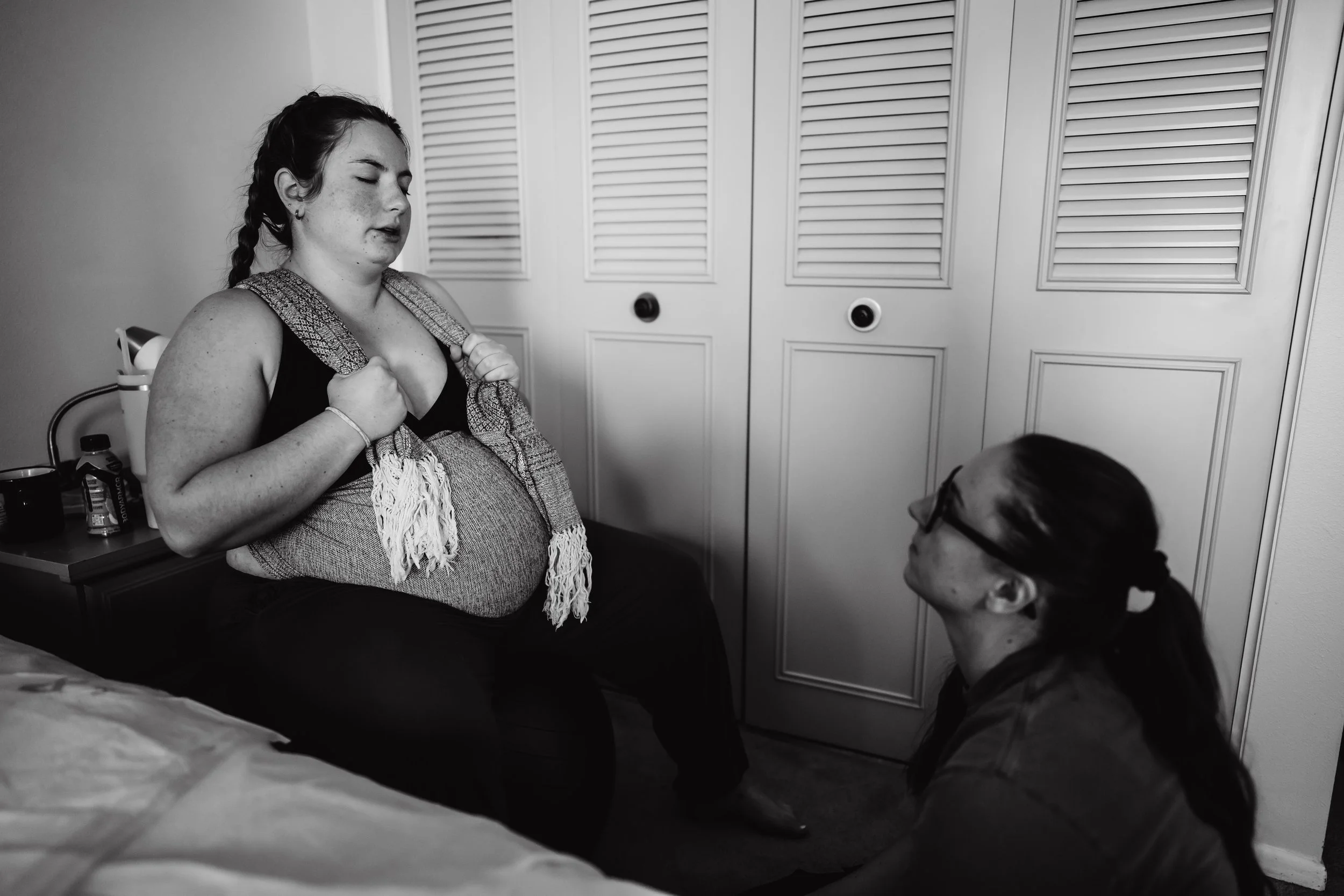
Midwifery Is About Relationship
At its heart, midwifery is relationship-centered care. We spend months walking alongside families through pregnancy, supporting them through labor, celebrating the arrival of their baby, and continuing to provide care during the postpartum period. While we monitor blood pressure, assess fetal heart tones, and manage clinical concerns, our work is ultimately about people, not just procedures. Midwifery recognizes that birth is not simply a medical event. It is a profound life experience that deserves individualized care, respect, and support
Looking for a Home Birth Midwife in Wyoming?
Moonlit Midwifery provides personalized home birth midwifery care for families throughout Cheyenne, Laramie, Southeast Wyoming, and Northern Colorado.
If you're exploring your birth options and wondering whether midwifery care may be a good fit for your family, we'd love to connect with you.
